What is the best time to visit northern Pakistan?
The best season for most northern areas is April to October. Peak season (June–August) offers the warmest weather and clearest mountain views. Spring (April–May) brings apricot and cherry blossoms. Autumn (September–October) offers stunning foliage colours with fewer crowds.
Is northern Pakistan safe for tourists?
Yes, the northern regions of Pakistan—including Gilgit-Baltistan and Khyber Pakhtunkhwa—are considered safe for tourists. The local communities are renowned for their hospitality. We monitor conditions continuously and maintain contact with local authorities to ensure your safety.
Do I need a visa to visit Pakistan?
Most nationalities require a visa. Pakistan offers an e-Visa facility for citizens of many countries. We recommend applying at least 4–6 weeks before your trip. Visit Pakistan's official visa portal or contact us for guidance.
What is the fitness level required for this trip?
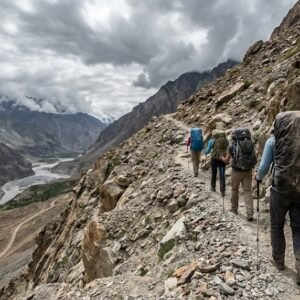
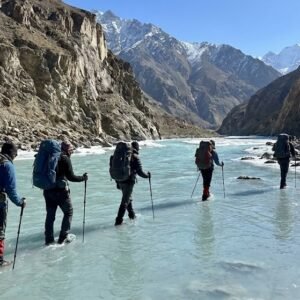
This expedition requires excellent physical fitness. Participants should be comfortable hiking 6–8 hours daily at altitude with a daypack, and have experience with multi-day trekking. The optional Manglik Sar summit requires additional endurance for a 9–10 hour climbing day with 1,300m elevation gain.
What type of accommodation can I expect?
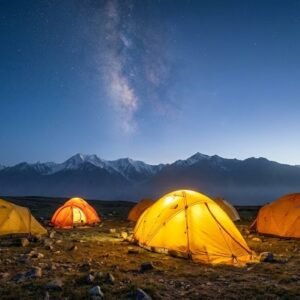
Accommodation ranges from comfortable hotels in cities to cozy guest houses in remote areas. All properties are selected for cleanliness, safety, and authentic local character. Hot water and electricity may be limited in some mountain locations.
Is altitude sickness a concern? - CHANGE
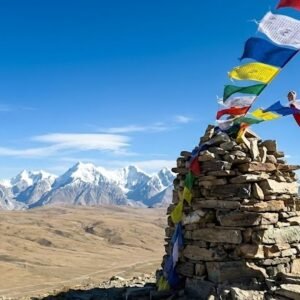
Maximum sleeping altitude is 4,750m (Shimshal Pass camp), with the optional Manglik Sar summit reaching 6,050m. The itinerary includes proper acclimatization with a rest day at 4,450m. Participants with no prior high-altitude experience should consult a physician before booking.
What about mobile network and internet?
Mobile coverage (primarily Jazz and Zong networks) is available in major towns but limited or absent in remote valleys. Wi-Fi is available at most hotels in larger towns but may be slow or intermittent. We recommend informing family of limited connectivity periods.
What should I pack?
We provide a detailed packing list upon booking. Essentials include layers for variable weather, sturdy walking shoes, sunscreen, sunglasses, a hat, personal medications, and a good camera. Dress modestly out of respect for local culture—especially for women, covering shoulders and knees.
What is your cancellation policy?
30+ days before departure: Full refund minus administrative fee
15–29 days before departure: 50% refund
7–14 days before departure: 25% refund Less than
7 days: No refund We recommend purchasing travel insurance that covers trip cancellation.
Can the itinerary change?
While we make every effort to follow the planned itinerary, mountain travel can be affected by weather, road conditions, or other unforeseen circumstances. We reserve the right to modify the itinerary for safety or operational reasons, always prioritising your experience and wellbeing.
What is the group size?
Minimum 2 participants for guaranteed departure. Maximum group size of 12 ensures quality experience and manageable environmental impact in this sensitive area.
Is travel insurance mandatory?
Yes, comprehensive travel insurance is mandatory for all participants. Your policy must cover emergency evacuation, high-altitude travel, and trip cancellation. Proof of insurance is required before departure.
What documents do I need?
PASSPORT & VISA
Passport valid for 6+ months with 2 blank pages -
Free e-visa for 126 countries (7-10 business days processing)
Are there photography restrictions?
Bring spare batteries (cold drains quickly)
Ask permission before photographing people